Kymu
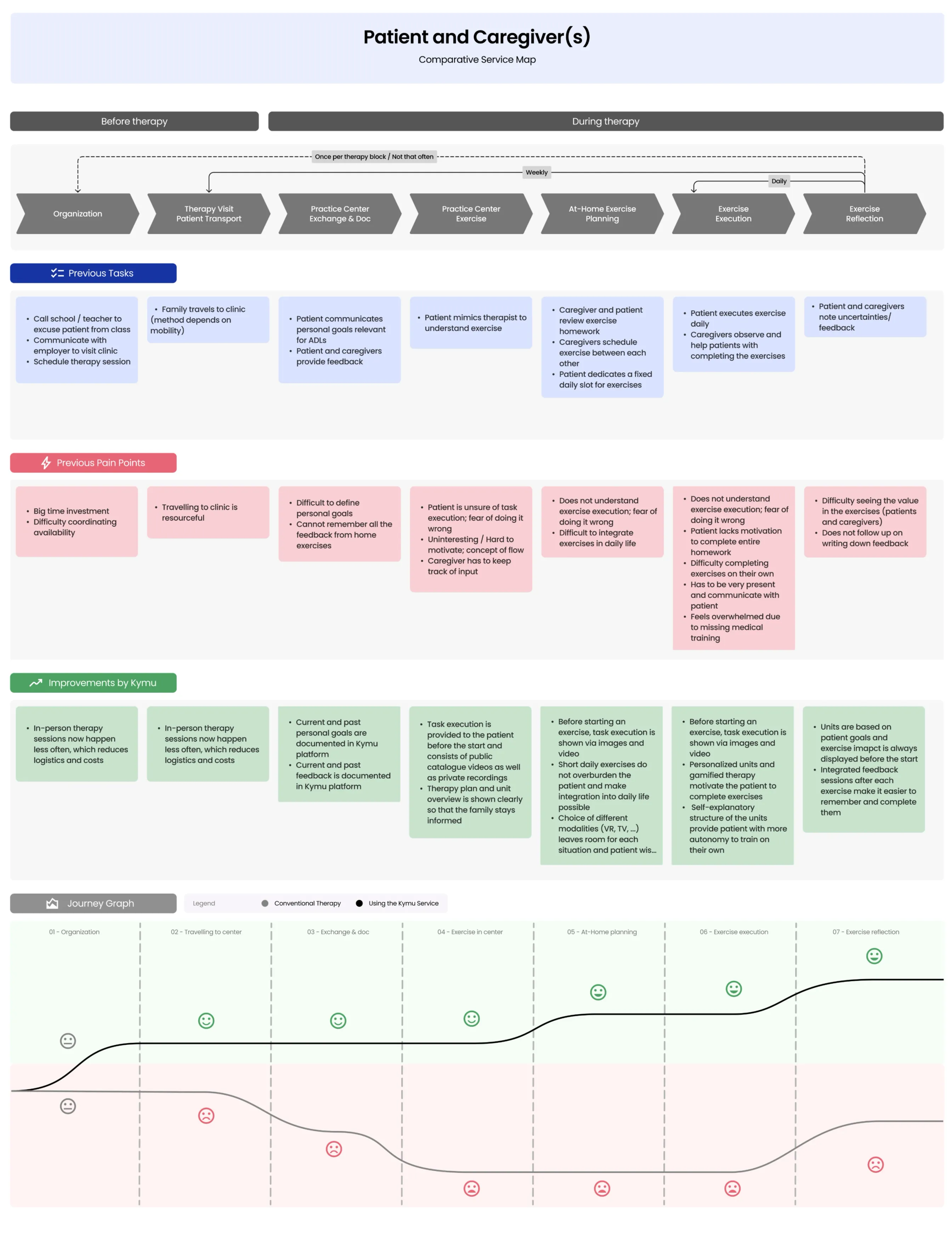
Home rehabilitation in Switzerland is failing patients. Only 20 to 50% of home exercise programmes are actually followed. After 36 sessions the regular entitlement to physiotherapy ends, and therapists get nothing for the travel to patients in retirement and nursing homes.
- Team
- Elia Salerno, Stepan Vedunov
- Services
- UX/UIresearch3Dbrand
- Date
- 2025–now
- Role
- Product Designer, Research Associate
TL;DR
- Problem
- Only 20 to 50% of home physio programmes are followed, and regular physio ends after 36 sessions. Patients are left to keep going on their own.
- My role
- Product designer. Research, UX/UI for the therapist platform, the phone and the TV, the exergames and the brand.
- What I did
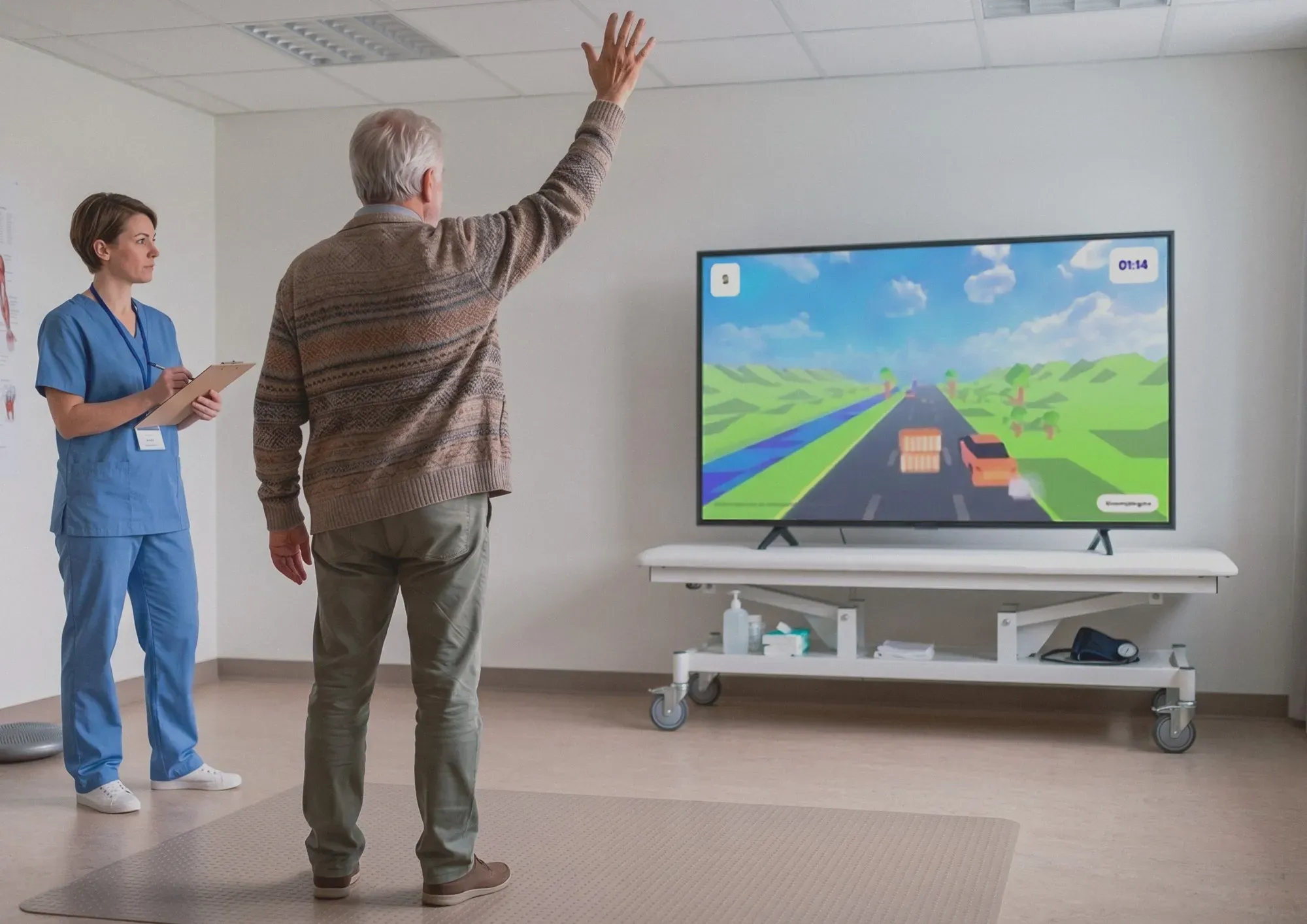
- Turned prescribed exercises into full-body games on any TV, tracked by a phone camera, with a platform where therapists set up exercises and follow the data.
- Outcome
- More than CHF 100k in grants, tested with more than 20 people from patients to therapists, a clinical pilot with Lucerne Cantonal Hospital, and 2 design awards, in Switzerland and China.
Context
Kymu turns rehabilitation exercises into full-body games on any TV, guided by a therapist. It started as my bachelor thesis with Elia Salerno at ZHdK, for children with rare neuromuscular diseases. Since March 2026 it has been an official research project at ZHdK's Digital Health Design Living Lab, and we have widened it to orthopaedic and geriatric rehabilitation for adults: more than 50,000 patients a year in Switzerland instead of fewer than 1,000, and a faster regulatory path.
My role
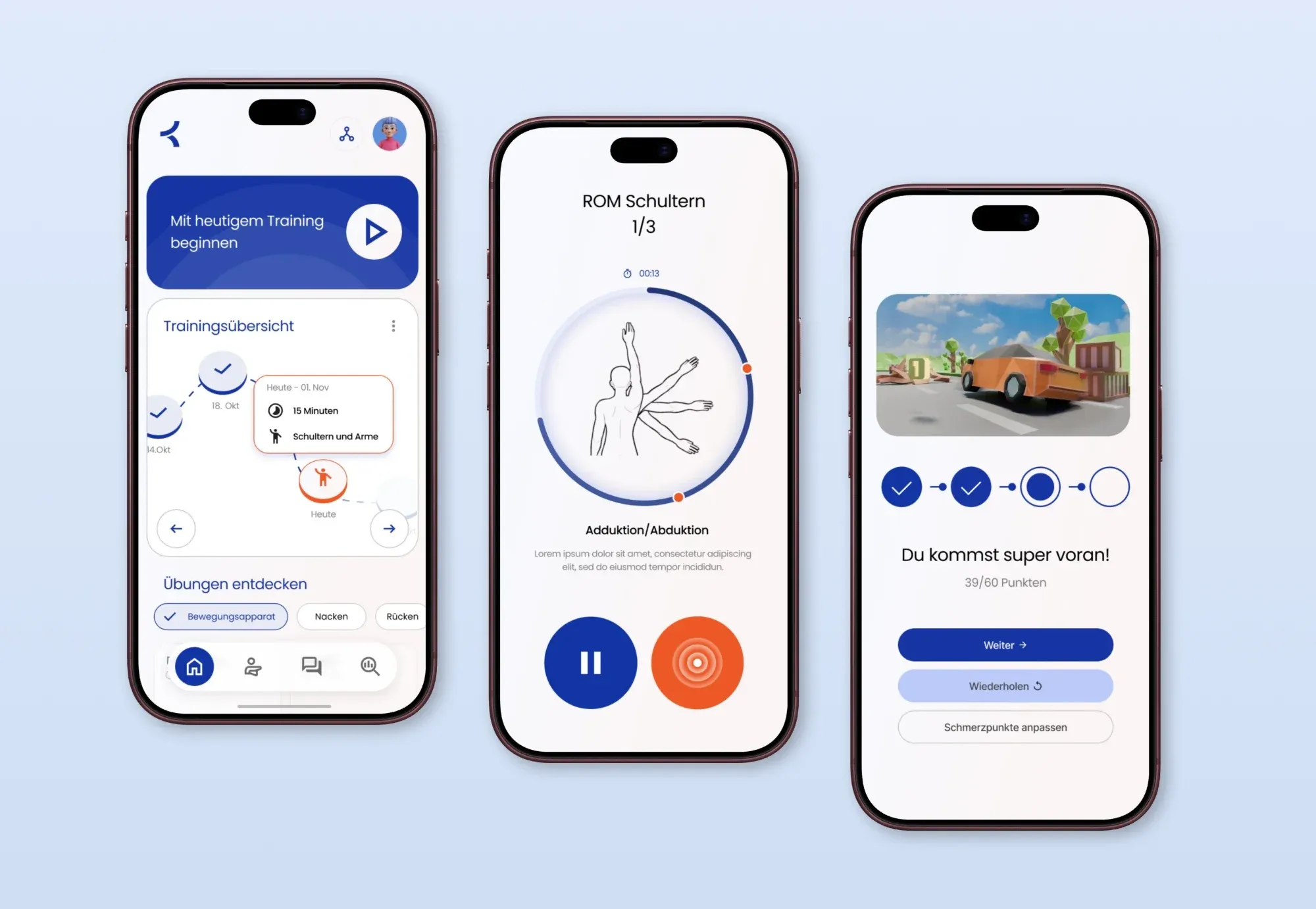
- UX and research across the whole service, from the therapist platform to the phone app and the TV.
- Designed the motion-controlled exergames, modelled in Blender.
- Created the brand, from the logo and guidelines to the design language and communication material.
- Ran design iterations and usability tests with more than 20 people, from patients and healthy adults to physiotherapists.
- Fundraising and partners. Grant applications, hospitals and clinics, and pitching.
Where it started
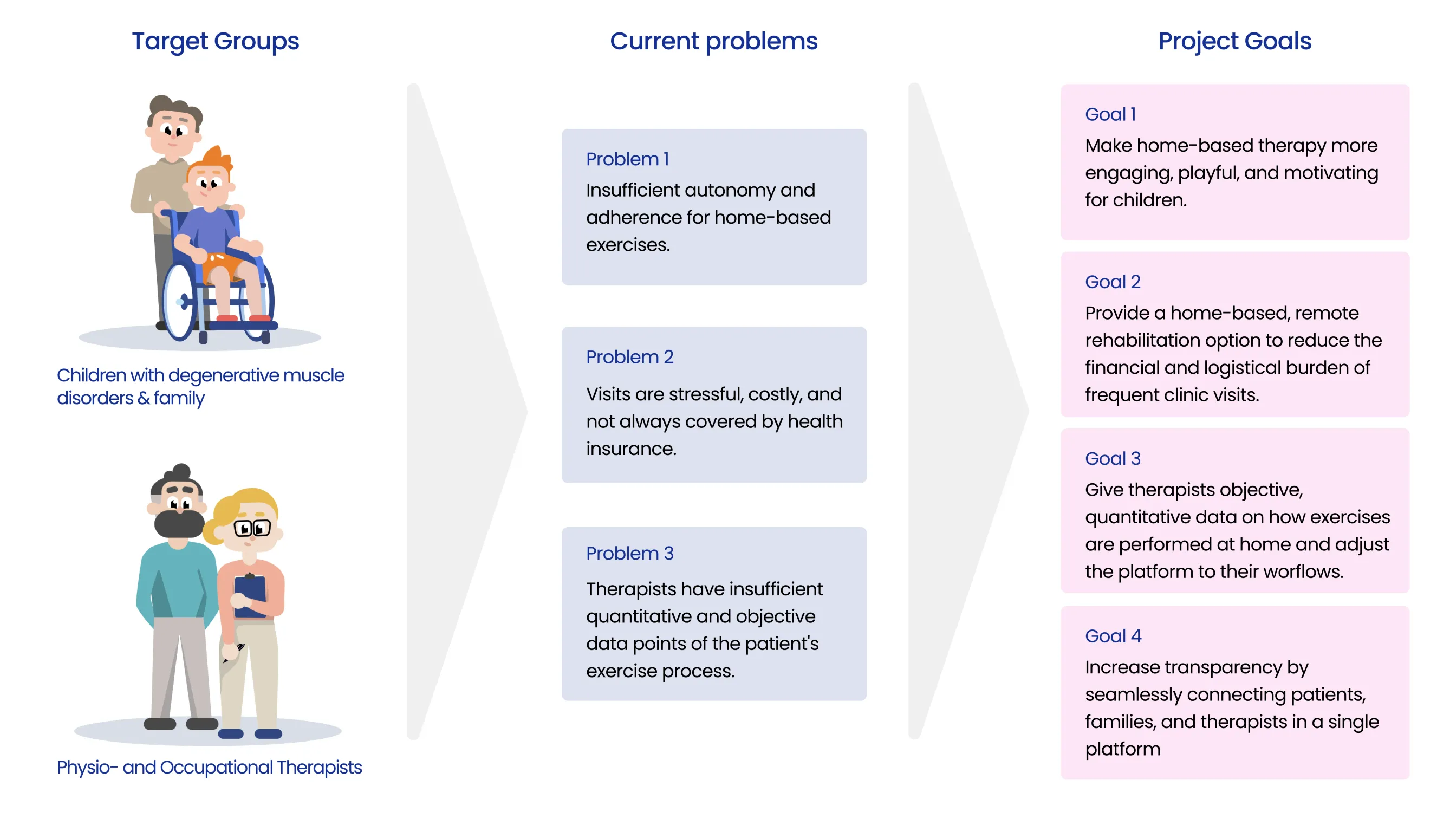
Kymu began with children. For the thesis we started from the evidence on paediatric neuromuscular therapy. Literature reviews and expert interviews kept pointing at the same problems: low adherence to home exercises, little data to personalise therapy, and a heavy logistical load on families.
From children to adults
The problems we found weren't specific to children. Adults in orthopaedic and geriatric rehabilitation have the same gap between the clinic and home, and there are far more of them: over 50,000 patients a year in Switzerland, against fewer than 1,000 with rare muscular diseases. That's a 50 times larger market and a faster regulatory path, so we widened Kymu to adults.
The mission stayed the same: rehabilitation that is motivating and accessible in the long term.
Any TV, one phone
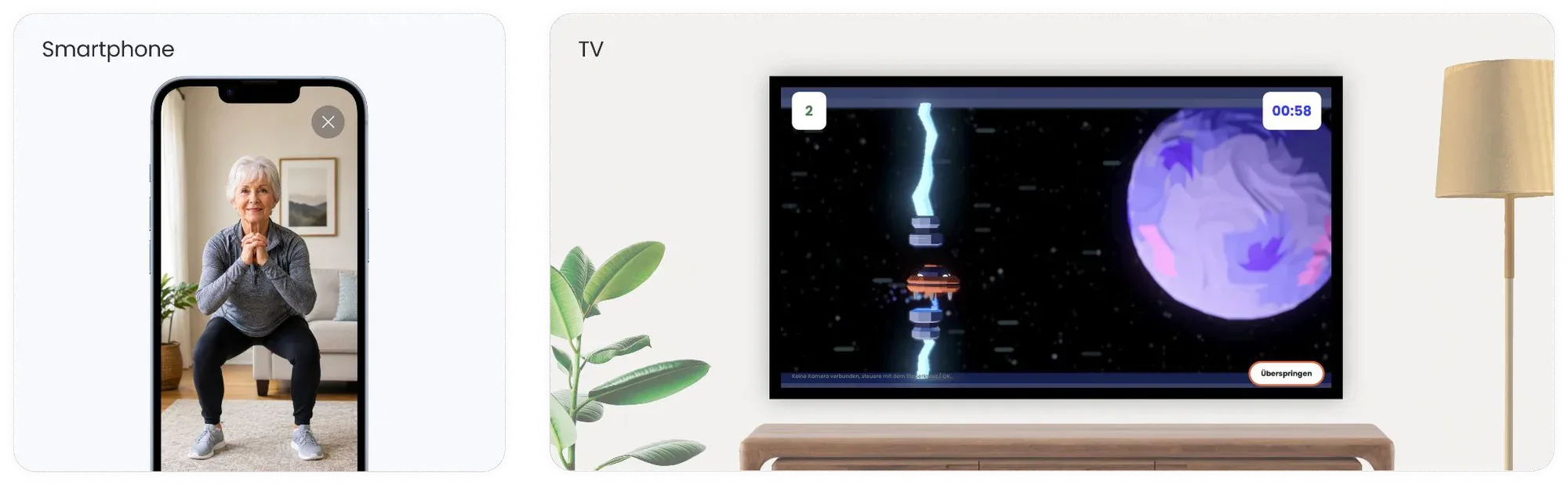
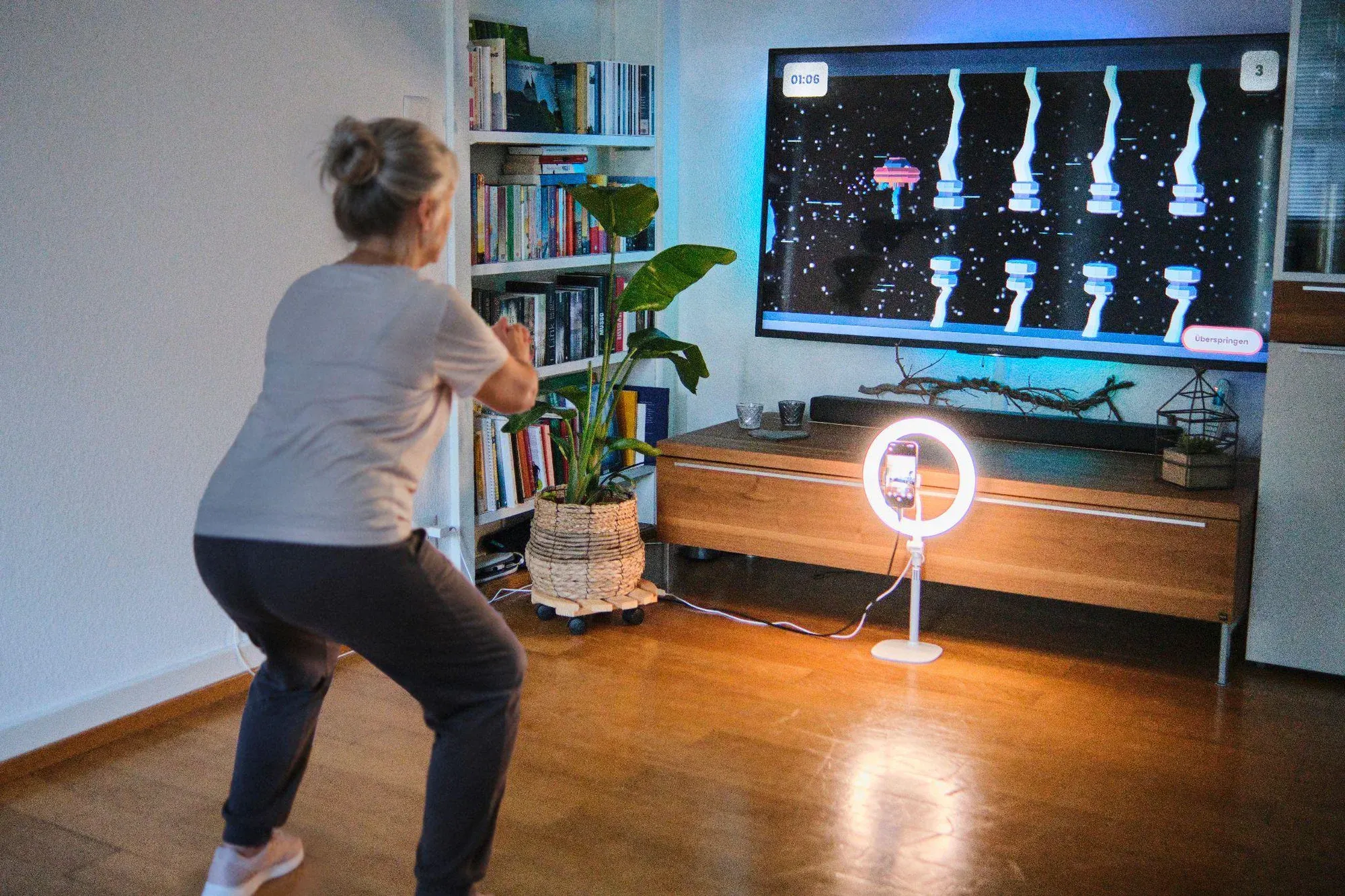
Kymu needs no special hardware. A smartphone pairs with a normal TV or monitor. The phone's camera tracks the pose in real time and turns movement straight into gameplay. The same setup works on a ward and in a living room.
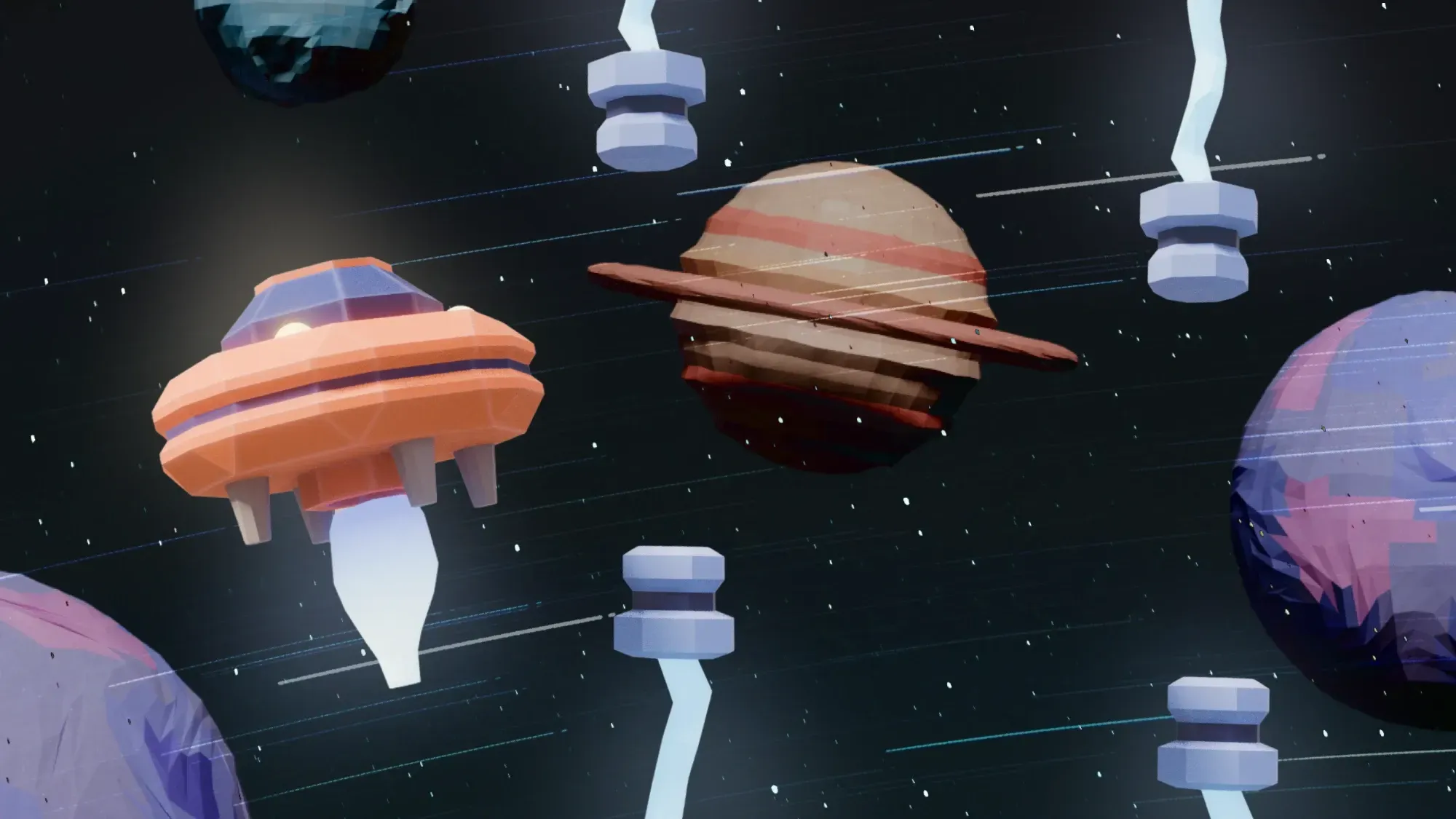
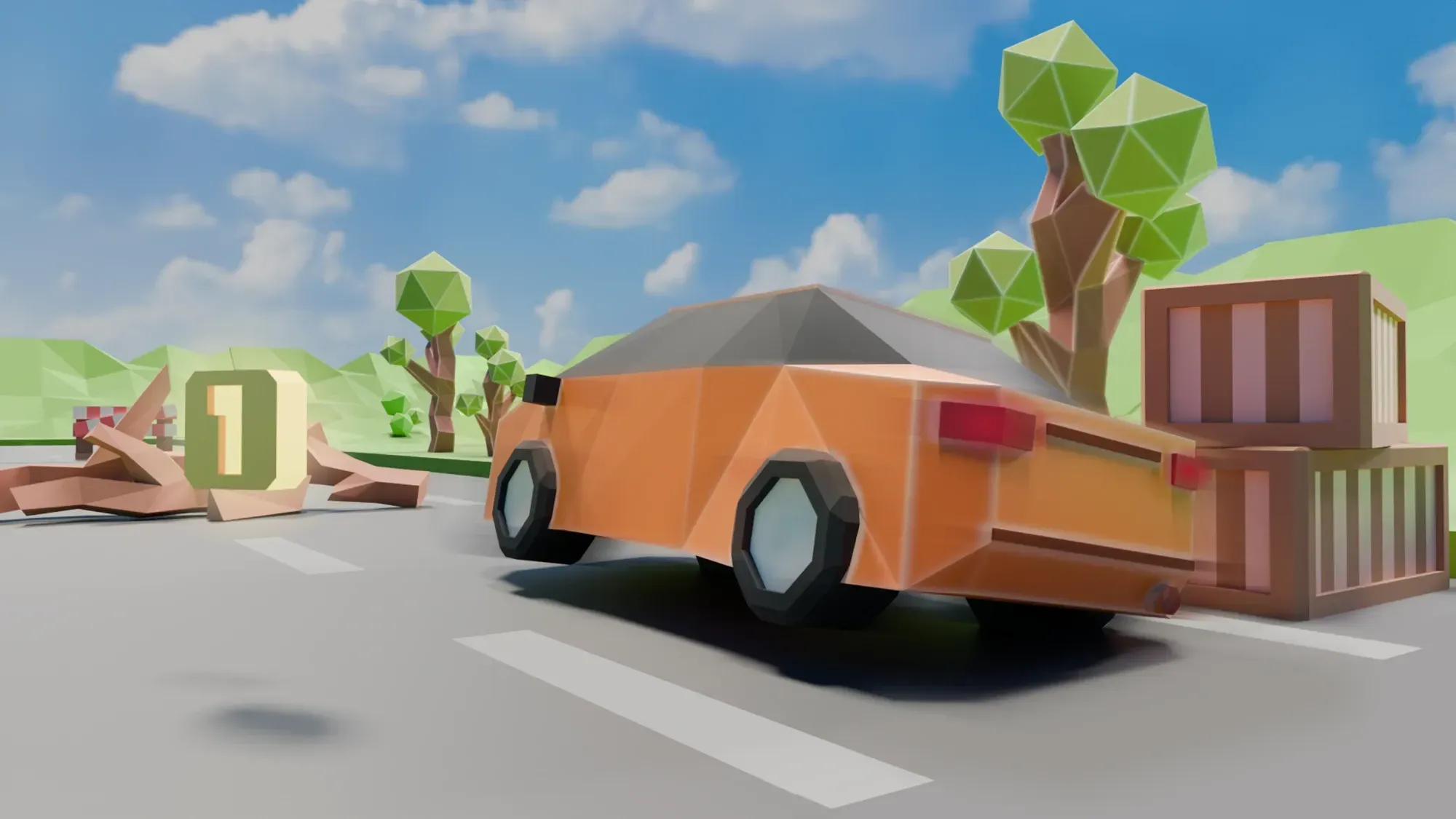
The games
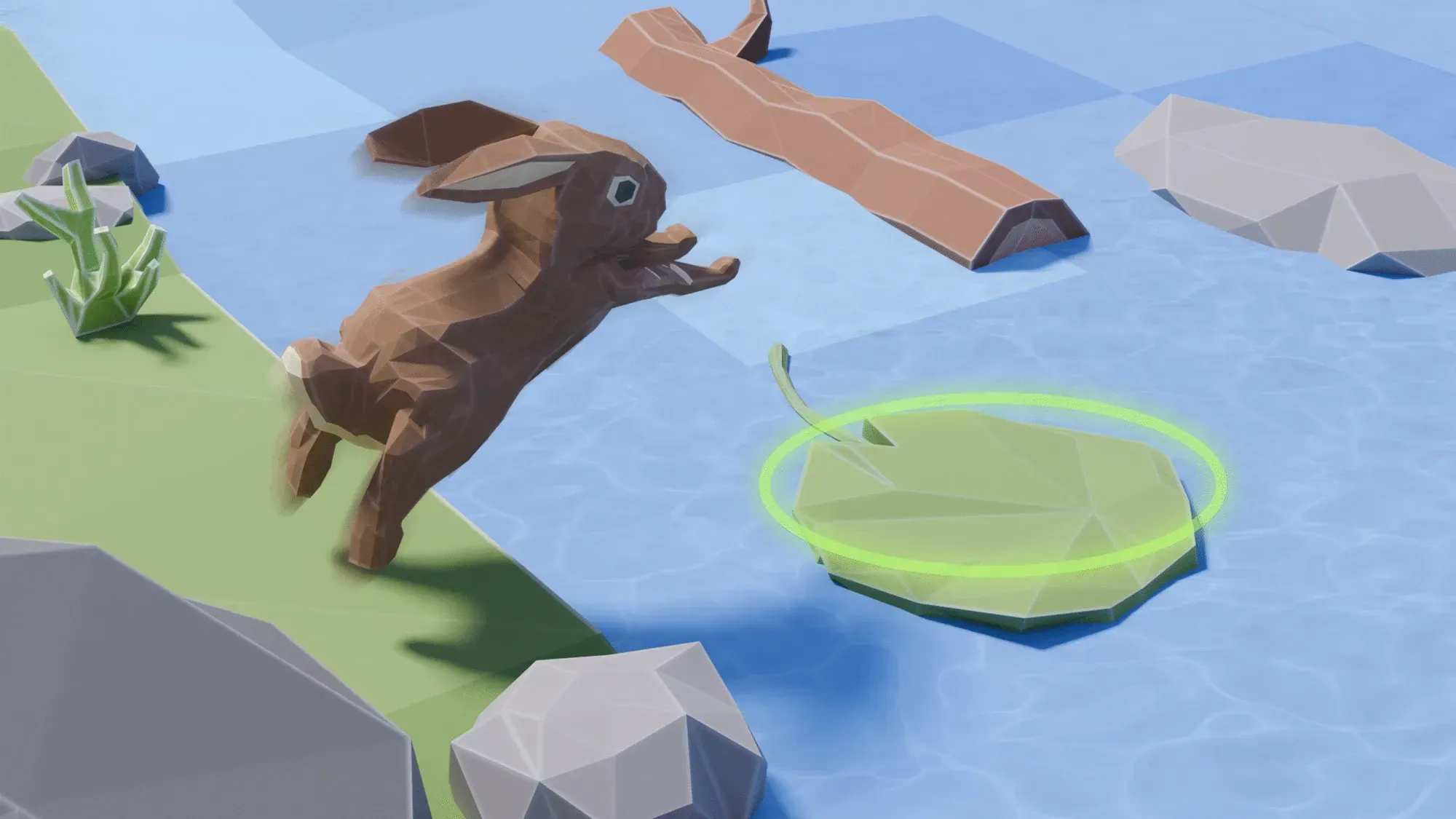
Three games are built so far, each mapped to physiotherapy exercises. Because the movement is decoupled from the game, the same game can train different exercises, chosen by the therapist.
The therapist platform
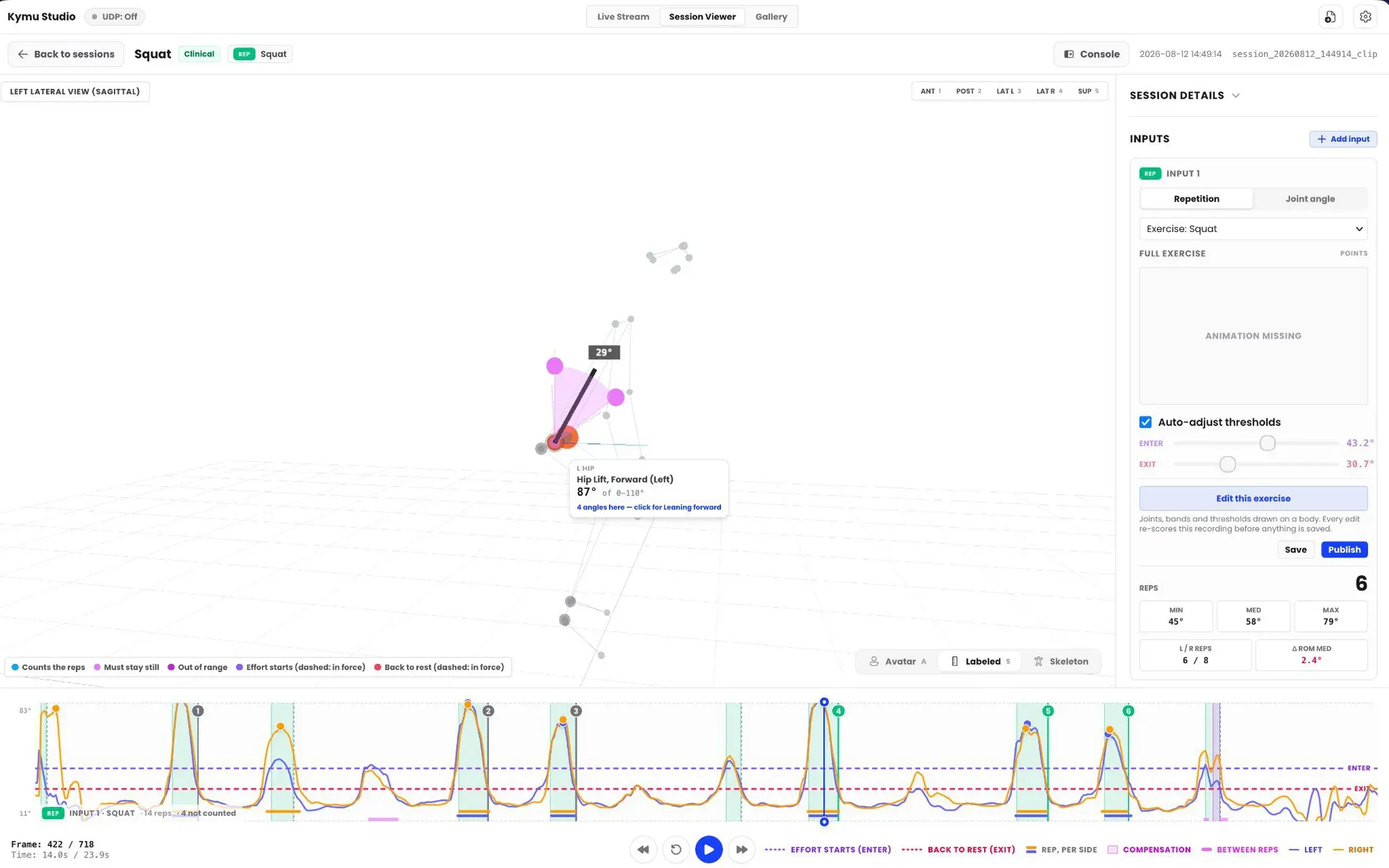
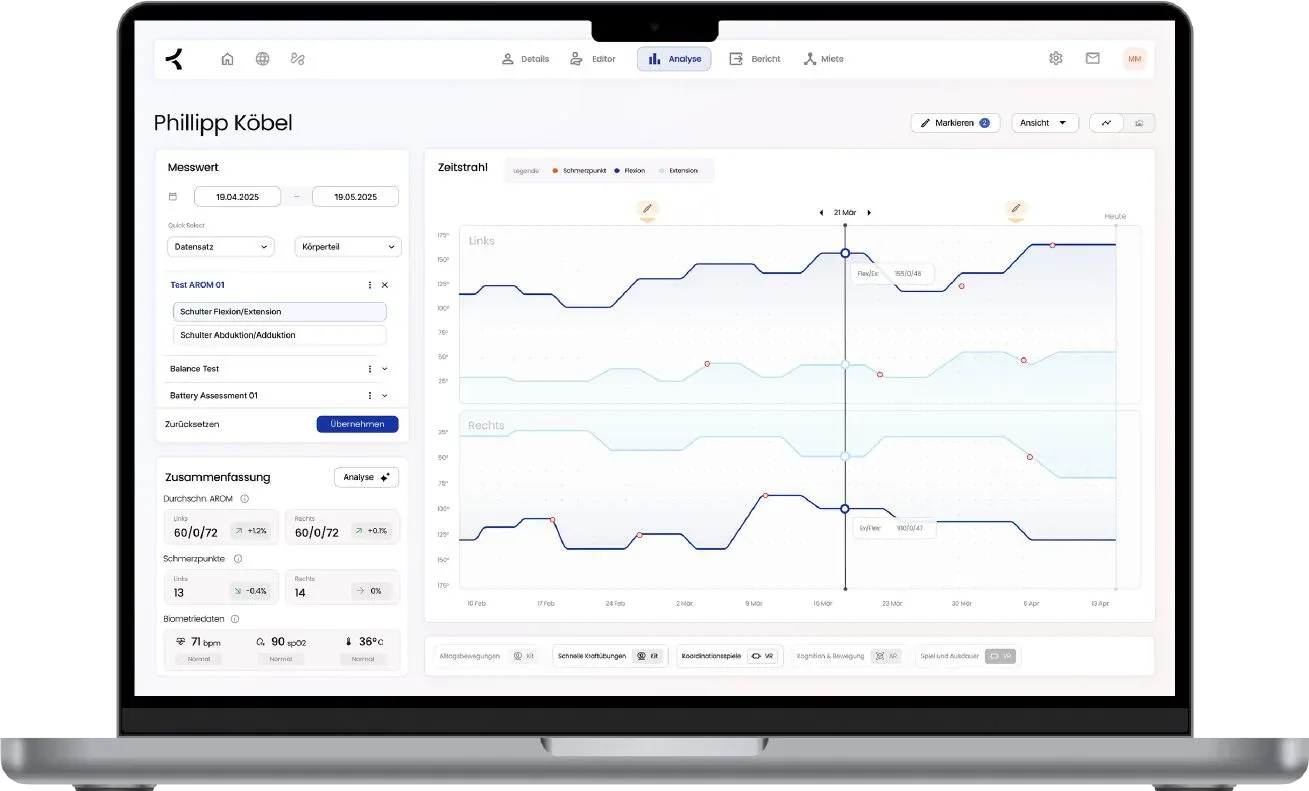
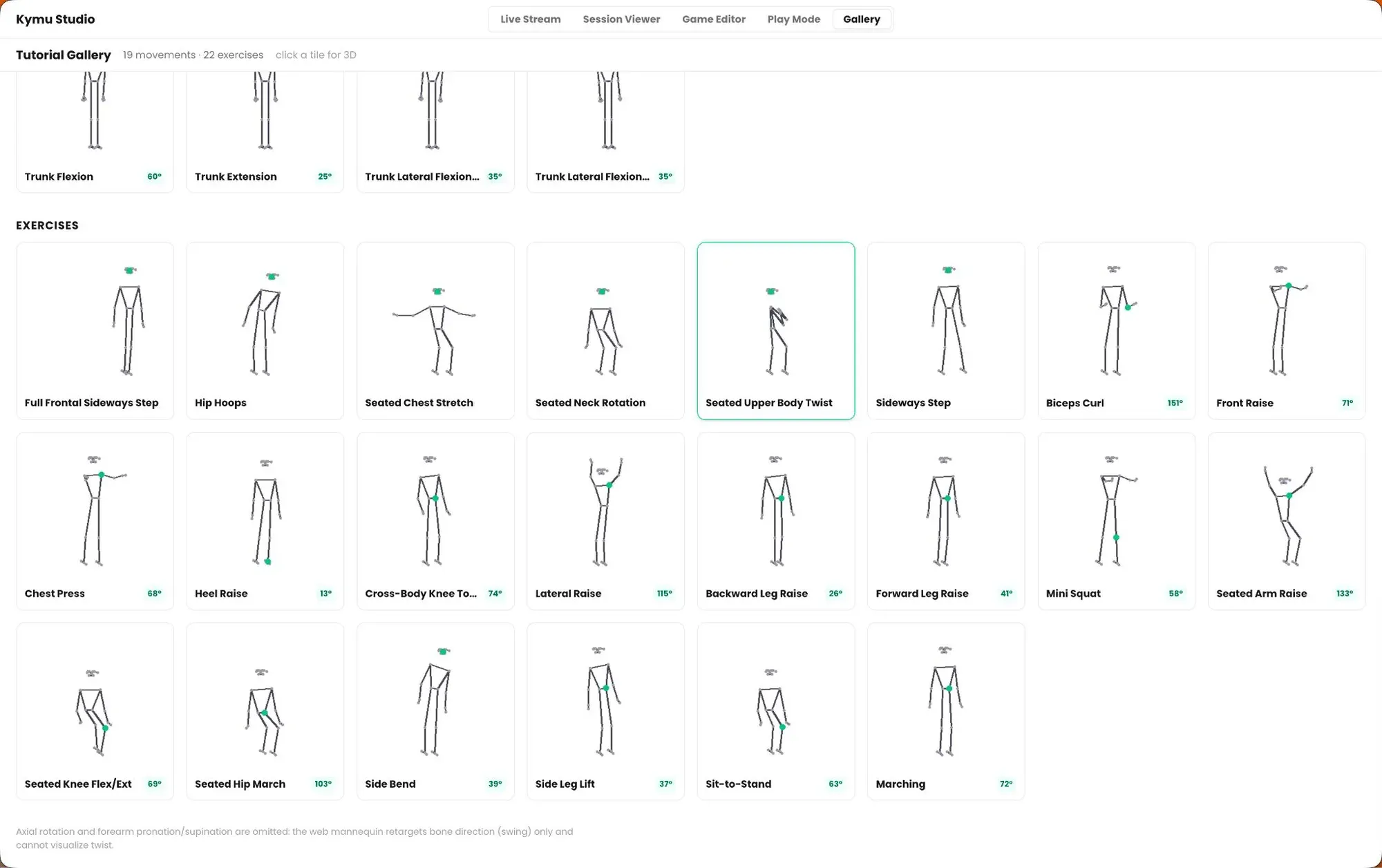
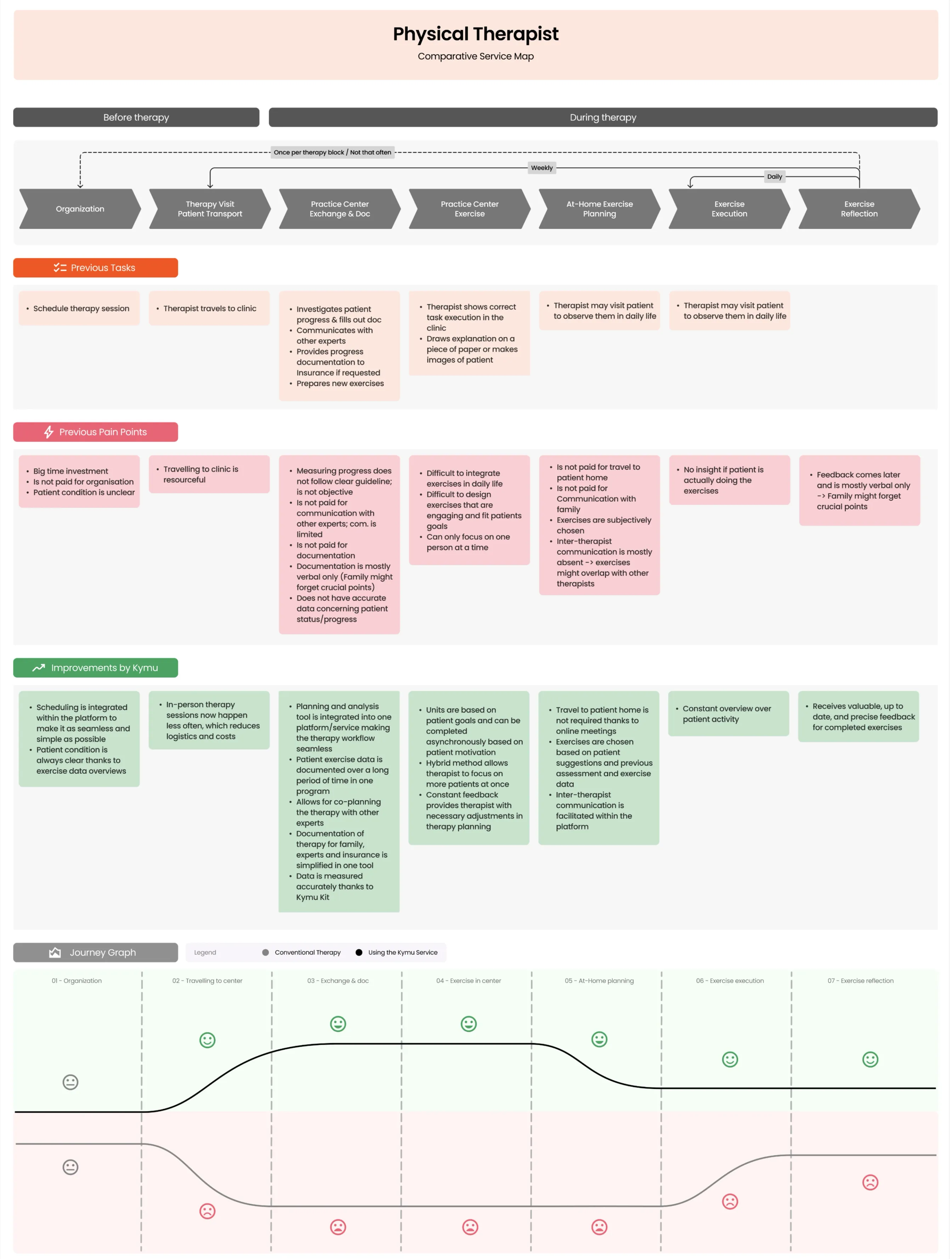
Kymu's motion engine tracks more than 30 clinical protocols, from a single joint's range of motion to functional movements. In the platform, therapists check how an exercise was done and catch compensation movements, adjust each patient's parameters, and build training plans.
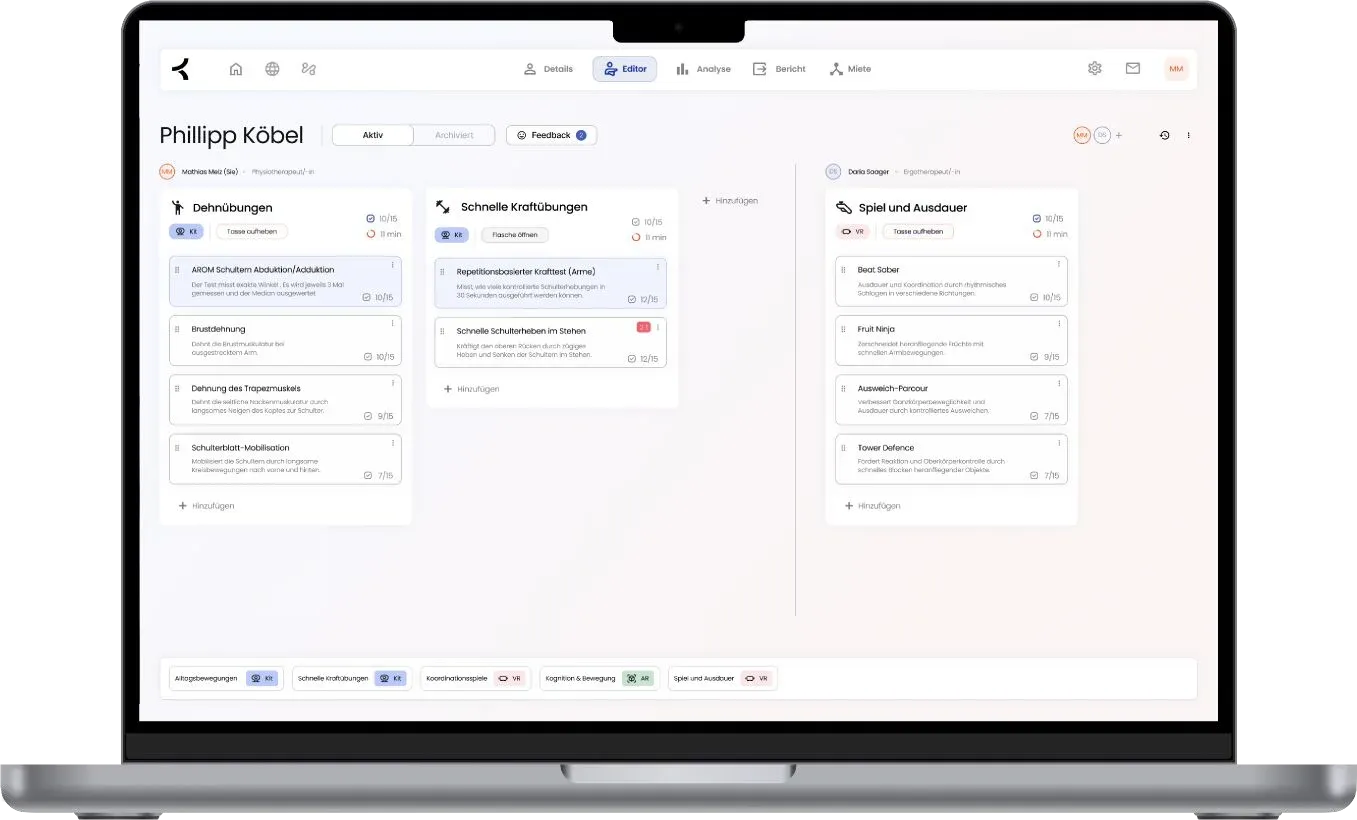
The movement and adherence data give therapists something objective to adapt the care plan on, with AI support, and can automate reimbursement reporting.
From the clinic to home
Kymu is built as continuous care. It starts in person and ends with the patient training on their own, long after the regular sessions run out.
Outcome
- CHF 100k+Raised for Kymu R&D
- 30+Clinical exercise protocols the motion engine tracks
- 20+People tested the system, from patients to therapists
- 2 design awardsSDA Bachelor Design Award 2025 and a New One merit award (China)